



Dedicated to safeguarding culture and heritage through holistic approaches.
We are a 501(c)(3) non-profit organisation dedicated to innovative, holistic and sustainable ways to understand and safeguard culture and heritage. Our methods focus on community engagement, research, advocacy, capacity building, development and education to empower local communities and stakeholders to participate in cultural dialogues to create and maintain sustainable lifeways through culture.
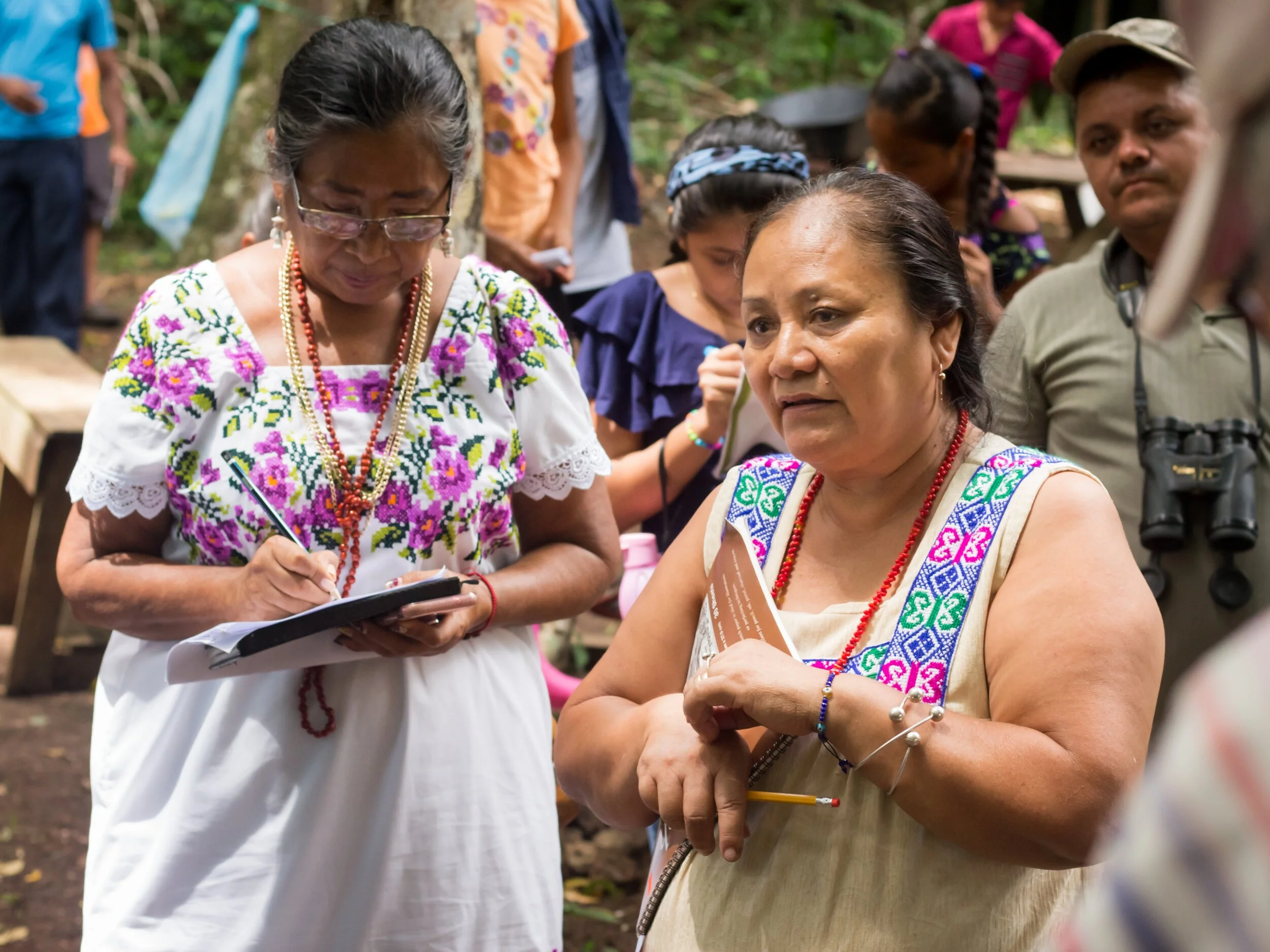
Archaeology, History & Heritage
Explores the many ways we can understand humanity’s past and how that history impacts us today and can best serve us going into the future.
© Morena Pérez Joachin
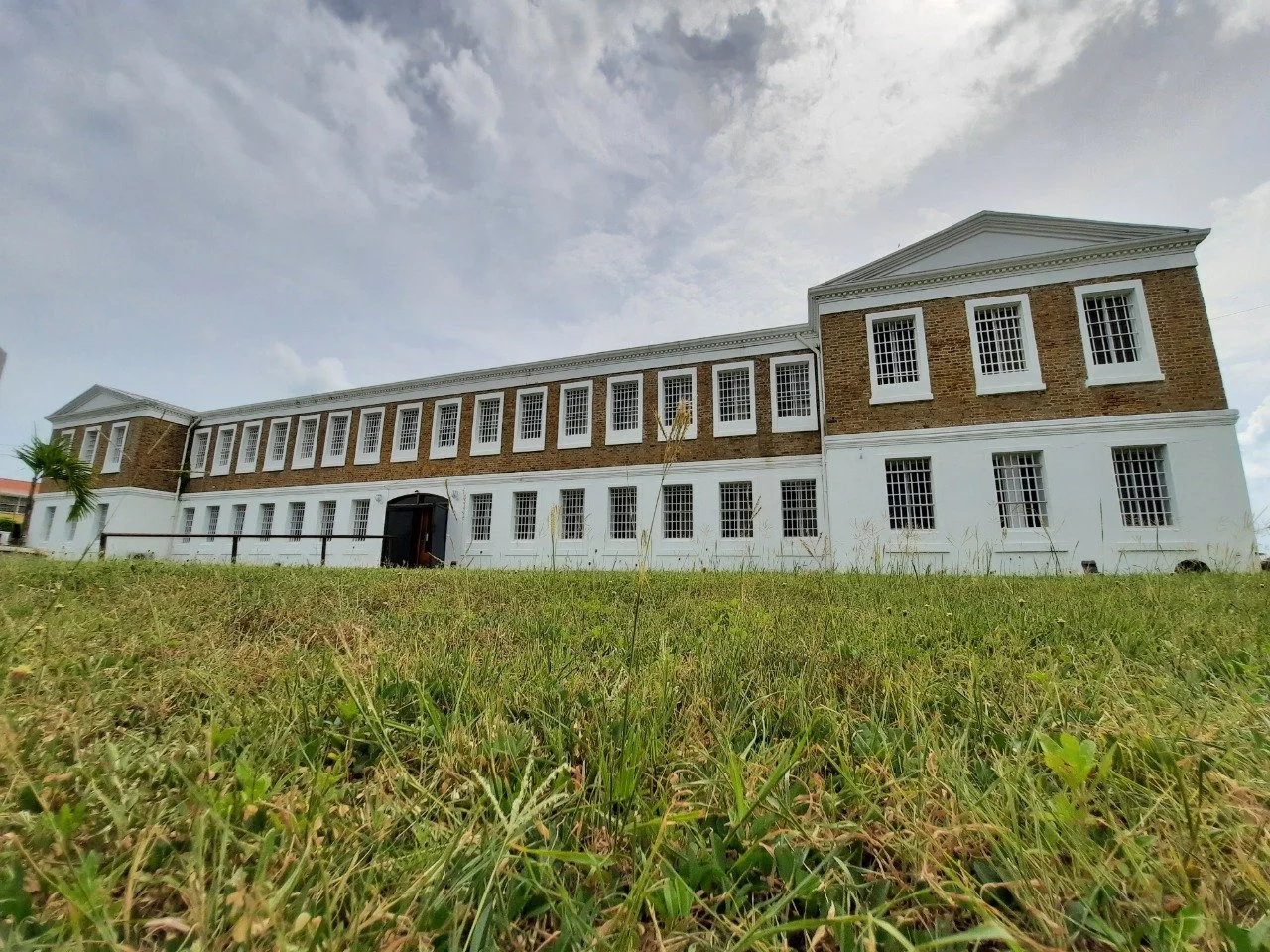
Responsible Tourism
Collaboration between academic disciplines and tourism businesses as a gateway to achieving economic, cultural and ecological sustainability.
© Morena Pérez Joachin
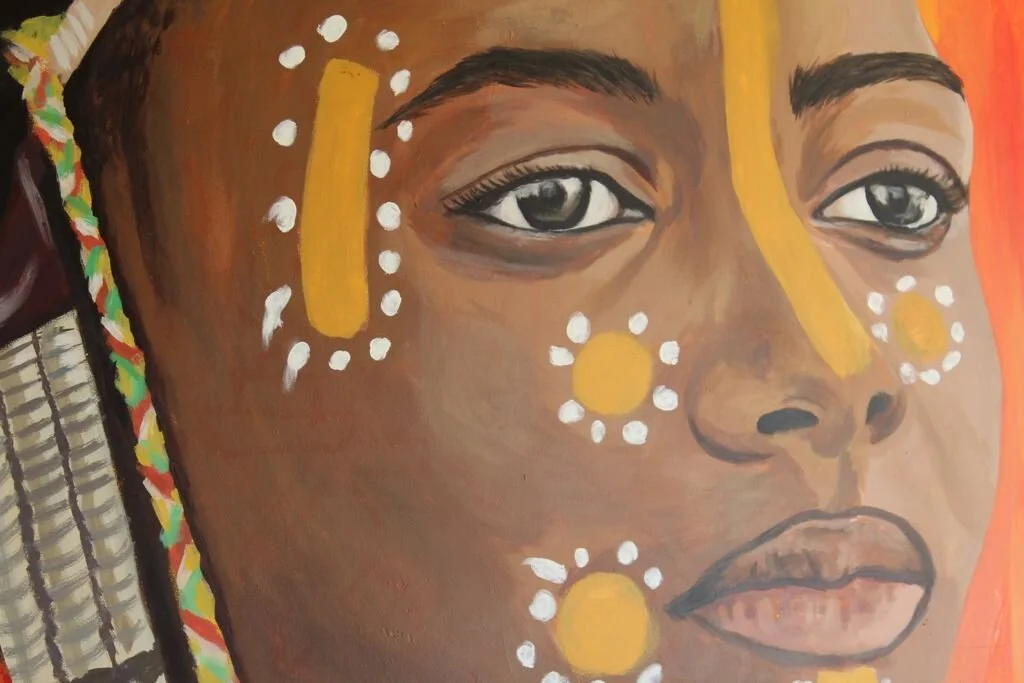
Culture & Wellbeing
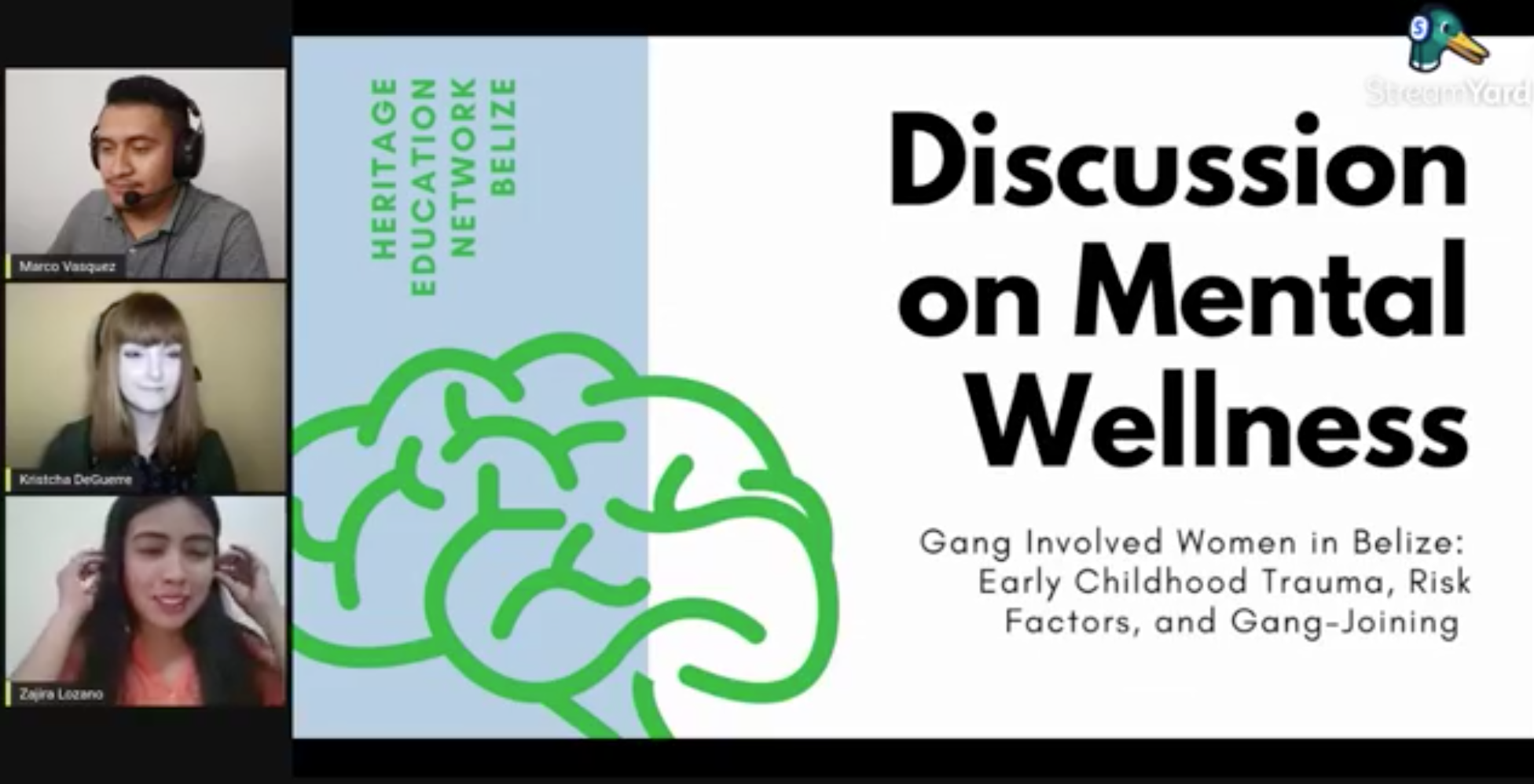
HENB is dedicated to serving community and culture. We believe that mental health and wellbeing is essential to becoming culturally resilient. We explore holistic approaches that help the individuals and communities we are serving.
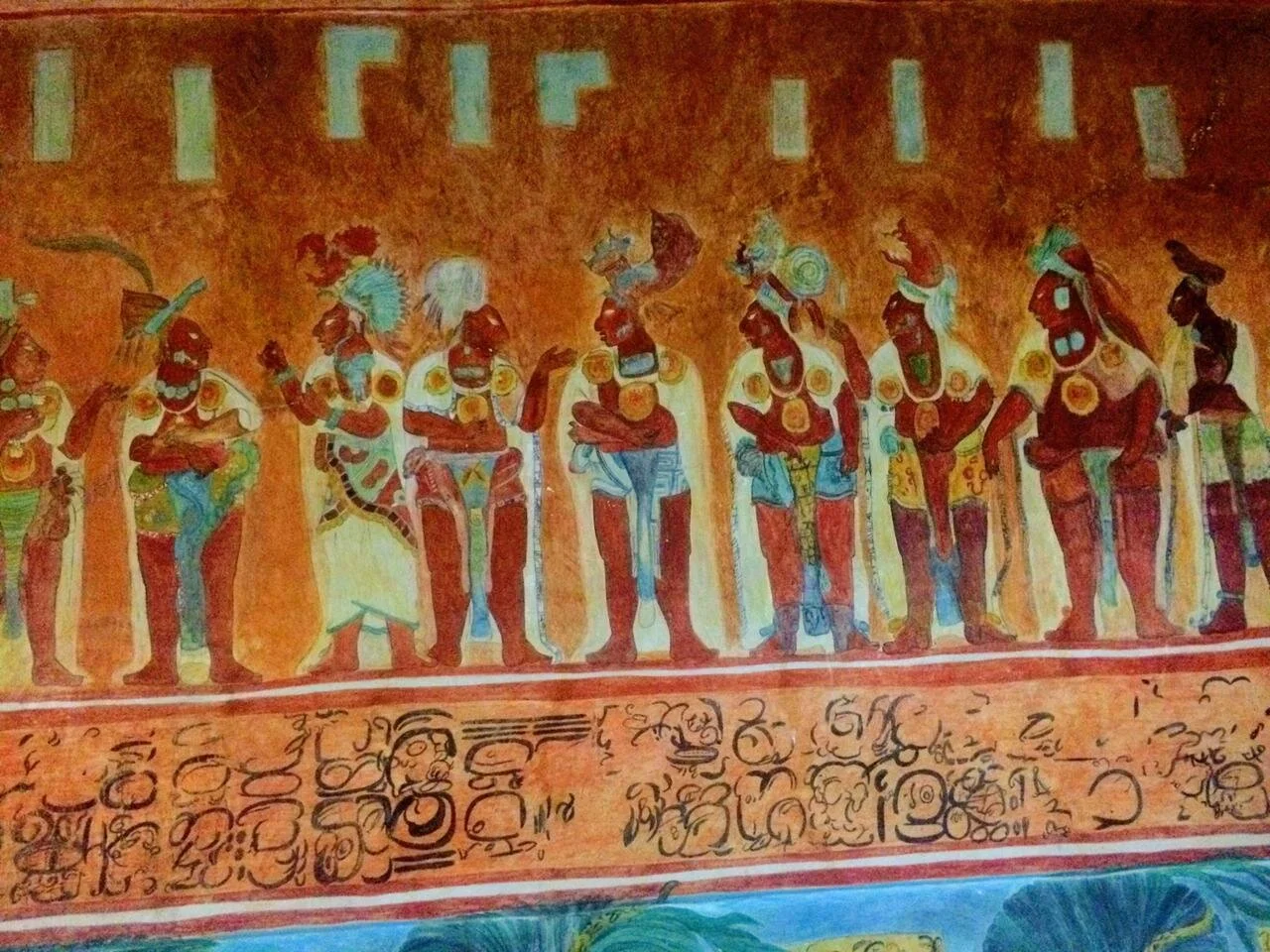
Sustainable Business
With cultural and creative businesses being impacted by various global forces, including the COVID-19 pandemic, we wanted to create a supportive space for these entities to get tips and advice on being economically and culturally sustainable.
Belize K.U.L.C.H.A. Symposium
K.U.L.C.H.A. 2026 APPLICATIONS TO BE ANNOUNCED!
Encouraging interdisciplinary and intercultural dialogue in the fields of Culture and Heritage and creating a virtual space for scholars and interested persons to present their ideas for lay and academic audiences, alike.
Keeping up with Language, Culture, Heritage and the Arts in Belize!
Sustainable Development 2030
Our mission is to align with the Sustainable Development Goals and The 2030 Agenda for Sustainable Development.
Featured on our blog
So, how did it come to be that foods like mangoes, which are native to Southeast Asia, are central to Belizean diets for 4-5 months of the year? And how are avocados, which are native to Central America, now pervasive across the globe, even when there is snow covering half of it?
The answer lies in plant collection and observation.
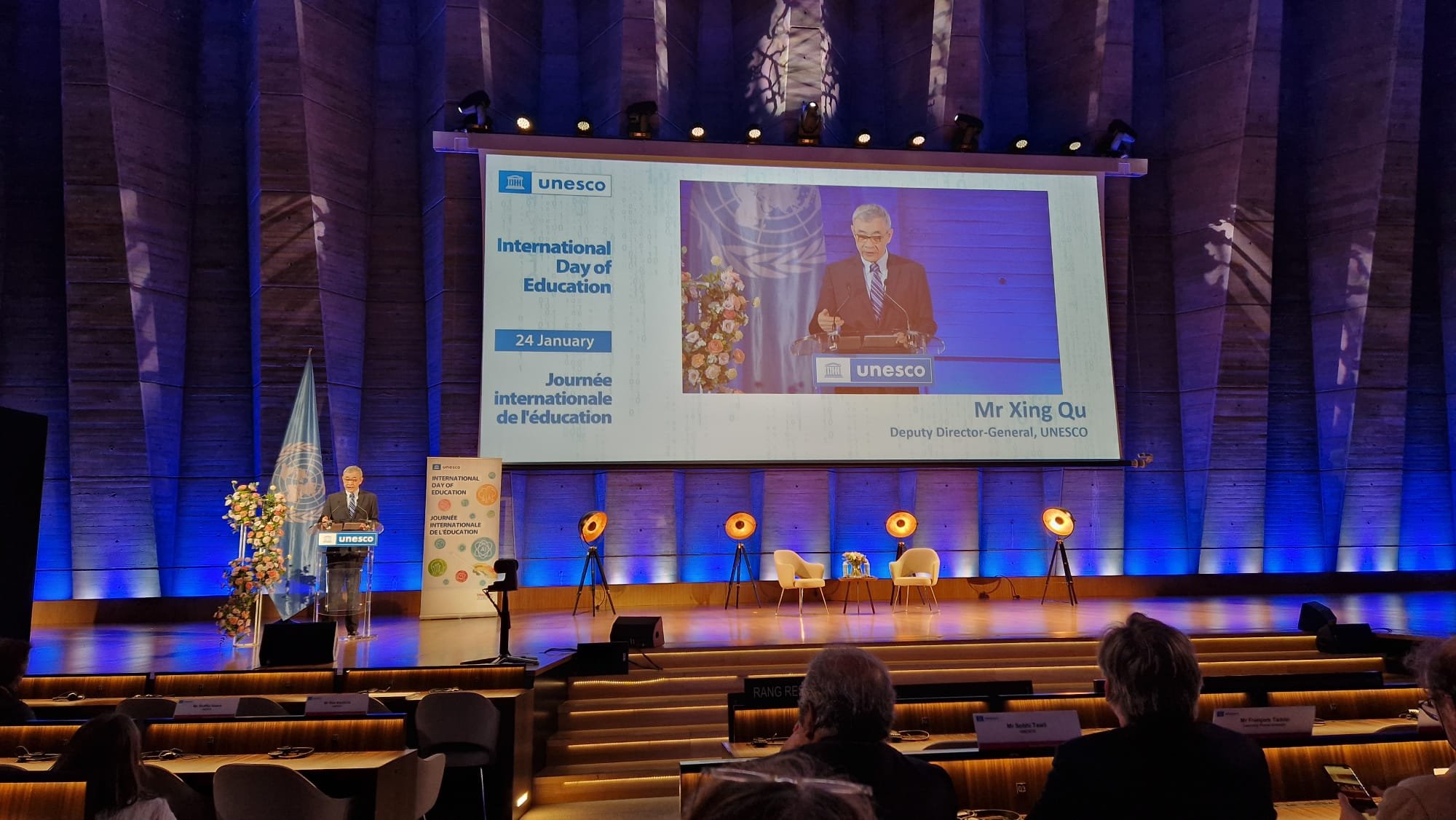
On the International Day of Education (February 24th 2025), UNESCO organised an event on Artificial intelligence and education. Here are some of the highlights.
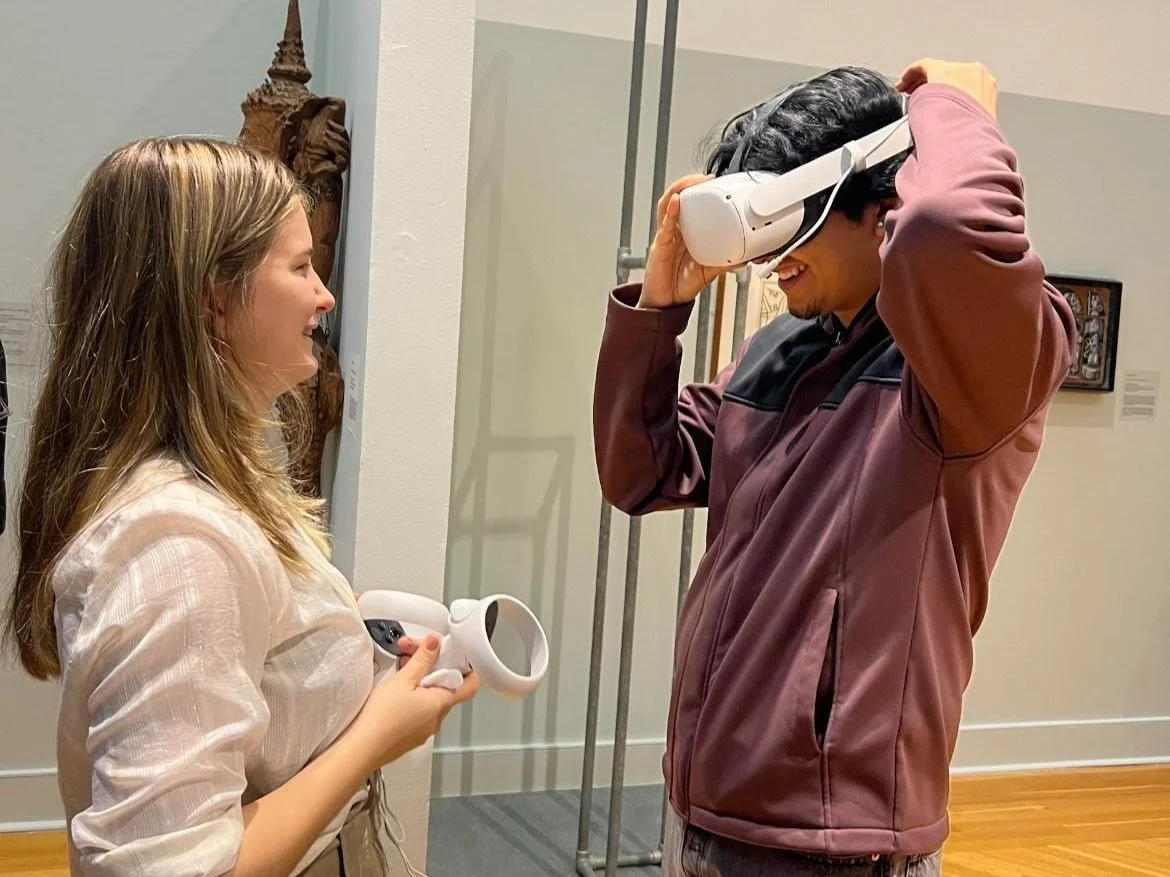
As artifacts lose their glow through the passage of time, the history they bear sink into the darkness. Fortunately, technology provides a solution. Asli Erem discusses how 3D scanning helps us preserve and uncover pieces of the Maya civilization.
From the cacao tree to a local chocolate factory, a bar of Maya chocolate carries stories of tradition and innovation. What should we know about the chocolate and the people who make it? We talked with Julio Saqui, founder and owner of Che’il Mayan Chocolate Factory, to see how chocolate becomes a medium to safeguard Maya culture and empower the local community.
What does it mean for young people to excavate pieces of their ancient past? How to make ancient history and archaeology accessible to the general public? Read our interview with Antonio Beardall, PhD student at Texas State University, to see how community archaeology helps young Belizeans reflect on their cultural identity and own their history!
A long time ago the Maya culture gave different interpretations to eclipses. In fact, the solar eclipse was interpreted as the Sun God expressing his fury or demanding rituals.
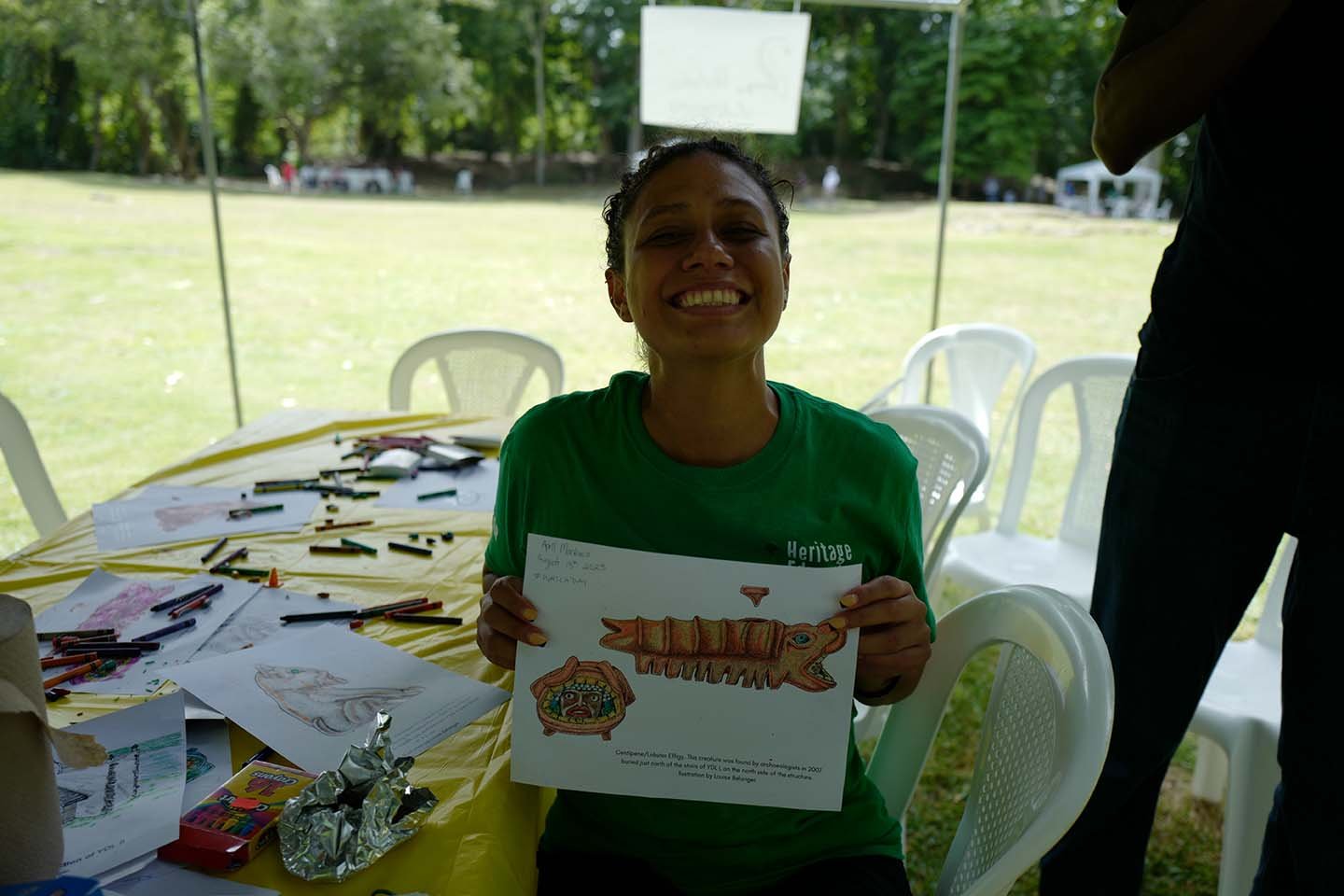
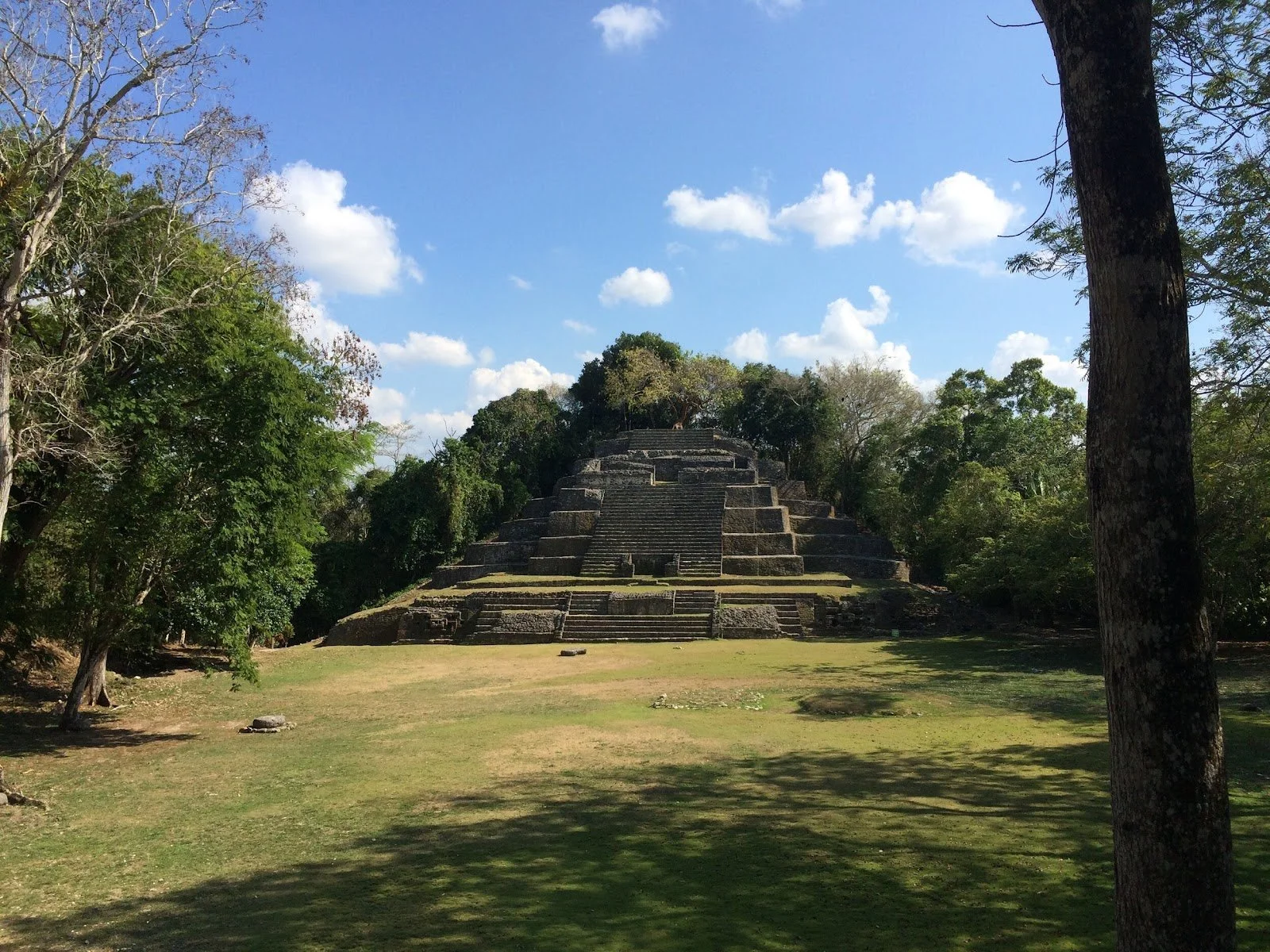
The World Monuments Watch Day event at Lamanai Archaeological Reserve fostered a deeper appreciation for the site's historical and cultural significance among attendees. It engaged diverse communities and tourists, leaving them with a newfound perspective on Lamanai's role in their living heritage.
Have you ever visited Altun Ha, Xunantunich or any archaeological site in Belize and saw people ‘digging’? Well, that is probably an excavation and more than likely these researchers are doing some cool scientific analysis with those finds. Here are 4 ways you can keep up with archaeological research in Belize!
Ever wonder what archaeology research is about or what people' dig' at archaeological sites? Every year about 20 archaeological research projects are conducted in Belize. Here are our 5 favourite projects to follow on social media.
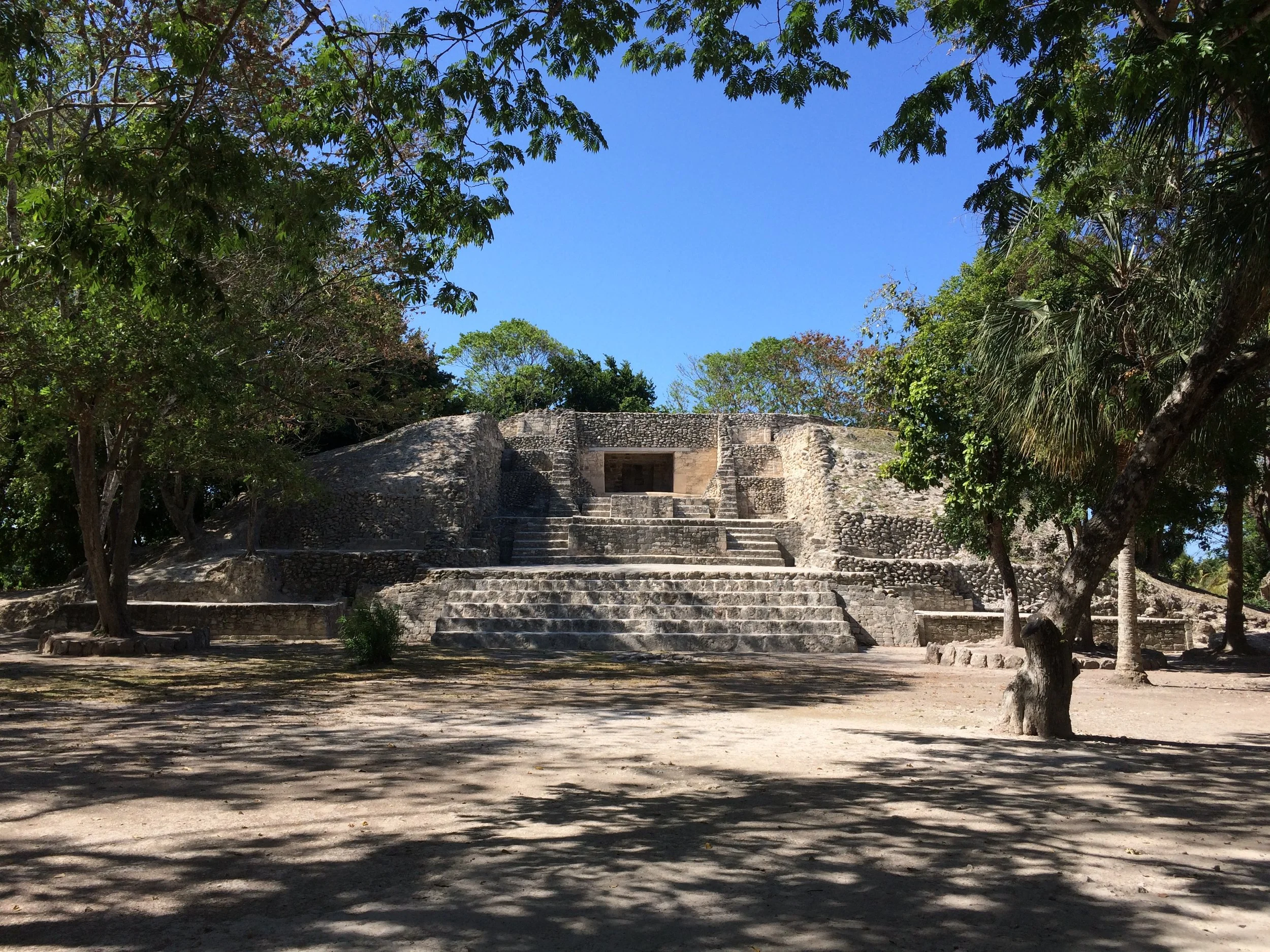
Millions visit the famous archaeological reserves in Belize every year, yet there are still a few sites that barely get any visitors or are closed to tourism. Here are some of the hidden Maya archaeological sites in Belize (plus some contacts to plan your trip).
Lamanai Archaeological Reserve is one of the largest and most visited Maya archaeological reserves in Belize. Indian Church Village is a small settlement of around 260 people sharing a border with Lamanai. One would think that having such a famous site next door would put Indian Church on the map... This is not the case at all.
The ways in which people around the globe choose to travel has changed immensely in recent years. Travelers are seeking out are more ‘green’ than ever before. A common term being used in the industry is ‘sustainable tourism,’ yet, there seems to be some confusion surrounding what it means. In the case of Belize, sustainable tourism is certainly a priority for several businesses. We sat down with Hamanasi and Ka’ana Resorts to gain a more nuanced perspective as to how this is playing out on the ground.
Take a glimpse into Belizean Literary figures on World Book & Copyright Day (also known as International Day of the Book) organized by UNESCO that takes place every year on April 23rd.
Here is a guide to visiting Indian Church Village, a small settlement with vibrant culture next to Lamanai Archaeological Reserve in Northern Belize.
Sustainopreneurship—a relatively new concept that might soon have a huge role to play in society. First introduced in 2007, the term is short for sustainability entrepreneurship and is also known as “entrepreneurship with a cause”. In this case, that cause is securing a sustainable future for all of us.
Yan o’oh K’abej’tIL ka ti yan’kun uj chu’x bejbal ti kux’tal ka til yeej tijo ti waj sutil. Walak oh ka’all tee ho ti sutiloj uh mu’k oh kux’tal, tuba kuxlaho eletel ta’kin ti walak oh bel ti sut etel uh k’ato ah hu’npiel ba’al tee ka uj wailto ti tan uh betic a ki tee ah yokolcab.
Here’s a pop quiz: do you know the difference between culture and heritage? If not, don’t fret! The answer’s not as straightforward as one might think.
हेरिटेज एजुकेशन नेटवर्क बेलीज़ २०२० COVID-19 महामारी के बीच में आया था । हम चार महिलाओं का एक समूह है जिन्होंने वर्षों से पुरातत्व और बेलिज़ियन विरासत उद्योगों में काम किया है ।
Como propietario de un negocio, probablemente sepa lo importante que son los buenos gráficos para atraer clientes y generar confianza en su empresa. Una imagen de alta calidad o un gráfico bien diseñado para su página de redes sociales, anuncio o sitio web pueden ponerlo millas por delante de sus competidores.
Heritage Education Network Belize fue establecido en medió de la pandemia. Somos un grupo de cuatro mujeres que han trabajado en arqueología y las industrias del patrimonio de Belice durante años.
As a form of public or street art, murals are ‘open museums,’ typically painted on walls, where people can access heritage. This art form can also serve as a place of shared ‘memory’ for the community and provide opportunities for community involvement. Find out more about street art in Belize and why it is crucial to safeguarding culture.
Film can be an immersive and powerful tool for documenting and making sense of our culture, and in some cases represents a form of intangible cultural heritage in itself. Here are three Belizean culture and heritage-related films to watch on your next rainy day.
Community museums are a great place to visit if you want to learn more about local culture. Many of these small spaces are grassroots initiatives that allow the community to explore local histories and to provide educational opportunities for the younger generations. Making it easier to find these amazing places, here is a local's guide to community museums in Northern Belize.
The role of mothers is pivotal in transmitting culture. Mothers contribute to cultural survival in many ways and play a crucial part in safeguarding our cultural memory. Here are just a few areas of culture which depend on mothers around the world for their continuation.
Every year on the 18th of April since 1982, we celebrate World Heritage Day, but what does it stand for? We celebrate the legacy and rich heritage of humanity given to us by our ancestors and acknowledge the organizations that safeguard it. However, it is about more than just sites and monuments.
With cultural spaces closed Belizeans are deprived of spaces and avenues for cultural expression and revenue. We were suddenly left in a vacuum where we could no longer engage in these forms of cultural and creative expressions. However, cultural and creative industries play an essential role in socio-economic recovery. Here are 6 reasons why!
Learn more about the production and ceremonial significance of the Maya Blue color. Vibrant and resilient, the Maya blue pigment has been considered a source of wonder for scientists and historians alike since its initial discovery in 1931. The paint can retain its vibrant blue color across centuries- a feat that is uncommon for any color, especially those obtained from natural ingredients.
Women are a crucial part of social and economic development as well as cultural transmission. The most straightforward example would be looking at how mothers influence the transmission and continuation of languages ("mother tongue", we call it) or various traditional artisanal techniques. It is essential to develop sustainable livelihoods and business models that encourage traditional skills and support women. We created a short guide to start.
Latest News
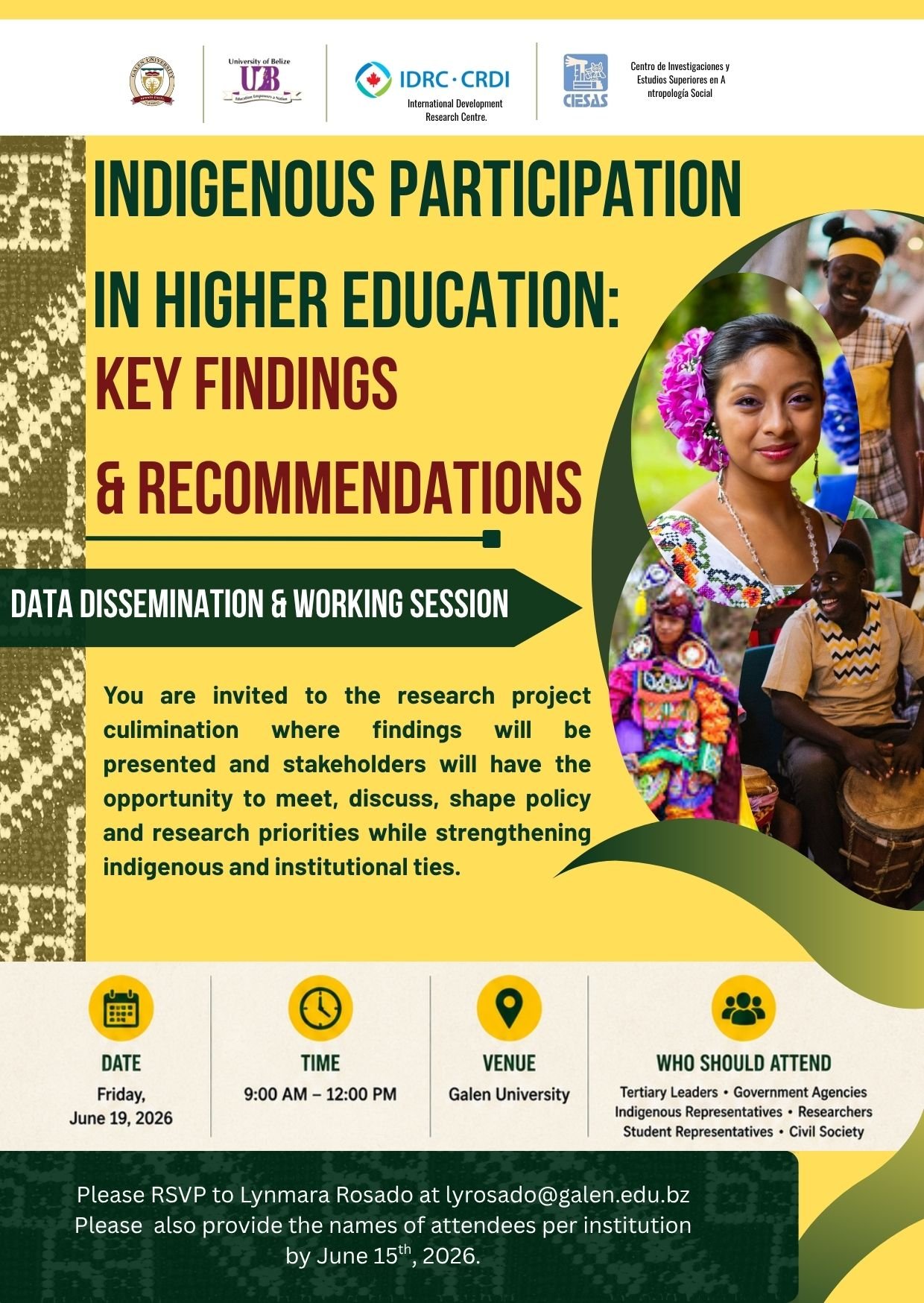
HENB was invited to a dissemination and working session covering initial findings from Belize in the regional project “Supporting Policies and Practices for Indigenous Peoples in Institutions of Higher Education and Academic Research in Central America.”
Heritage Education Network Belize is hosting our fourth annual Belize K.U.L.C.H.A. Symposium from October 23rd to 25th, 2024. We will come together to present and discuss the impact, influence and effects of Belize’s Sustainable Orange Economy nationally and internationally. This year’s overall theme aims to look a the creative economies of the past, present and future in order to understand ancient and modern examples to ensure a sustainable future. Apply and Submit your abstract today!
Heritage Education Network Belize is pleased to introduce two new interview and op-ed series and invite you to participate! If you are committed to sustainable tourism and safeguarding heritage, we would love to highlight your perspective by featuring you in an interview or op-ed.
Heritage Education Network Belize visited UNESCO Headquarters on the 7th of March 2024 to watch the premiere of a new documentary titled “Her Education, Our Future”. The film follows the educational paths of four young women - Anee, Fabiana, Mkasi and Tainá - from different corners of the world.
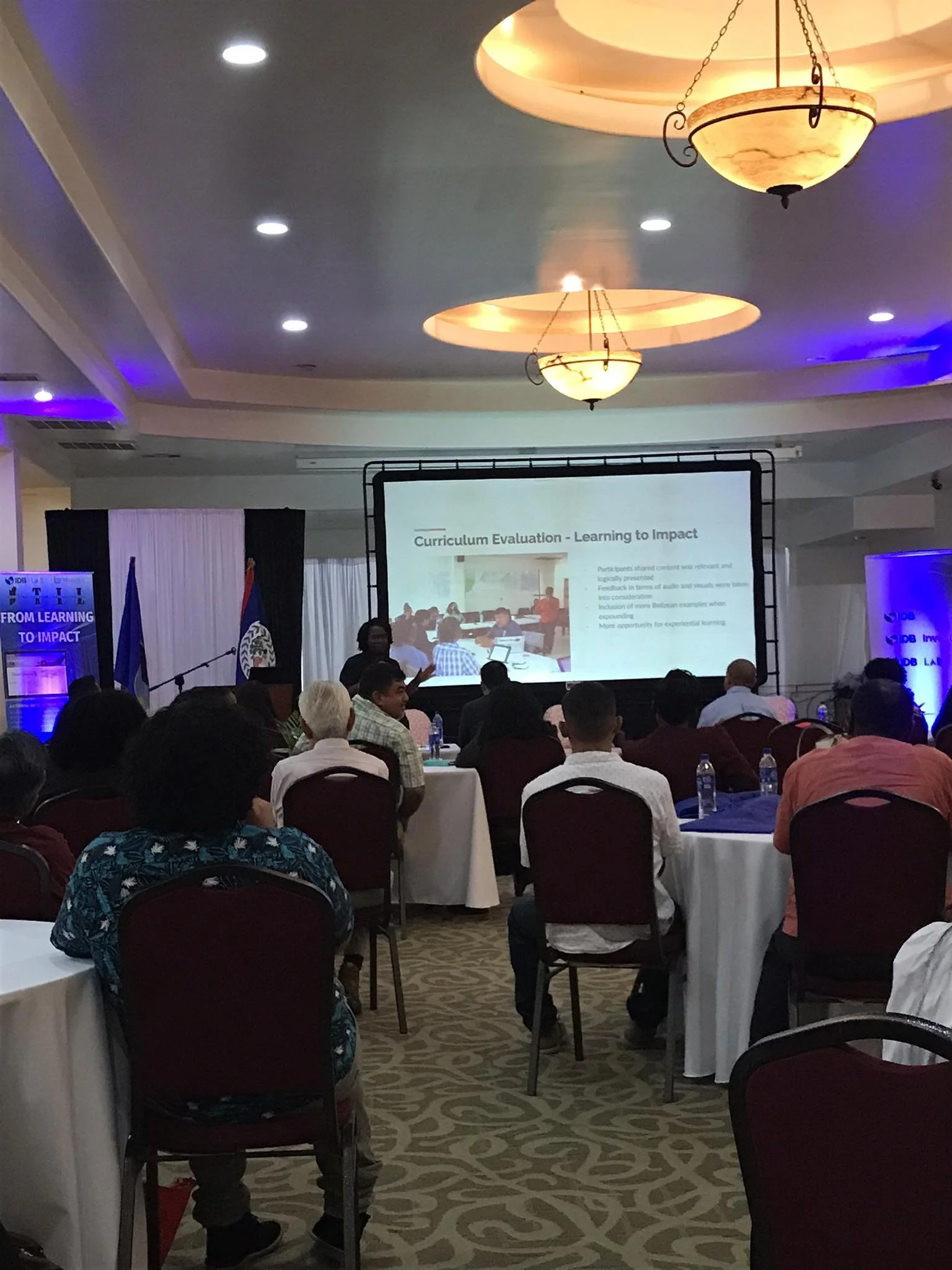
HENB was invited to attend the Belizing Tourism Innovation Lab Project's 'From Learning to Impact' Event held at the San Ignacio Resort Hotel on October 24th, 2023.
On a sunny morning, Heritage Education Network Belize, in collaboration with World Monuments Fund (WMF), and the support of the Institute of Archaeology, NICH, hosted the "Lamanai Watch Day" at Lamanai Archaeological Reserve.
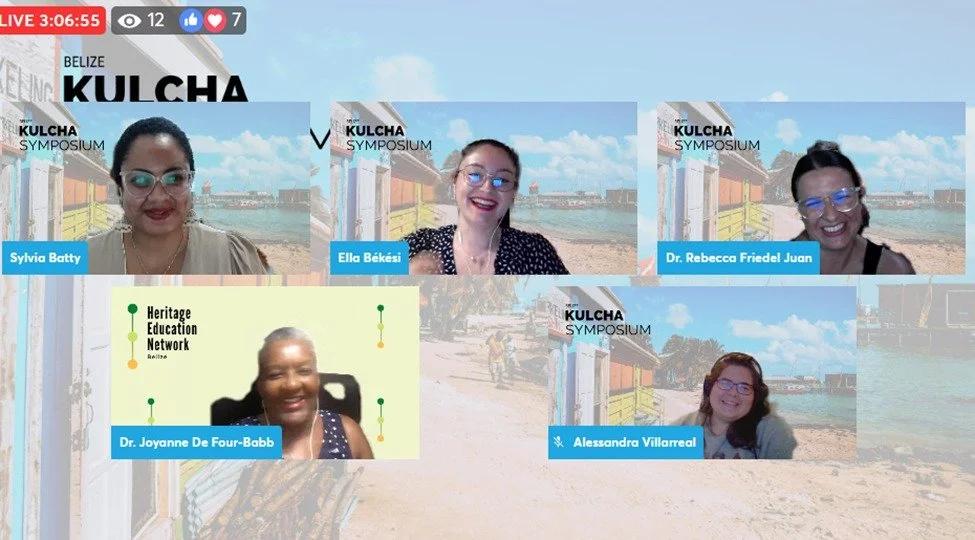
Heritage Education Network Belize is hosting our third annual Belize KULCHA Symposium virtually from September 7th-8th, 2023. We invite young academics, citizen researchers, activists, artists and indigenous or community representatives to submit their abstracts in order to be selected to present at the 2023 KULCHA Symposium.
Tune in to 3 days of kolcha at the KULCHA Symposium! Check out our program and save the dates so you don’t miss anything!
Join Heritage Education Network Belize and the Europa Nostra #Women4Heritage Network for an international and intergenerational dialogue with women in the Cultural Heritage field on Monday 23 May from 10:00-11:00 (CST, Belize) / 18:00 - 19:00 (CEST, Brussels). Taking place in the frame of the European Year of Youth 2022, the event is aimed at students and young professionals to discuss education and career opportunities and challenges for the future of women in Cultural Heritage.
HENB Director, April Martinez presented at the 1st Research Conference on Belizean Women, organised by the University of West Indies Open Campus, Belize on the 31st of March in 2022.
HENB celebrates #Women4Heritage with Europa Nostra with an intergenerational dialogue to mark International Women’s Day. For the second year in a row, Europa Nostra celebrated International Women’s Day on 8 March 2022.
Thank you to the Saint John's College High School History Club for inviting HENB and our Director, April Martinez, to talk about all things KULCHA in honour of Women’s Month in 2022!
Lamanai Archaeological Reserve and Cultural Landscape Named to 2022 World Monuments Watch.
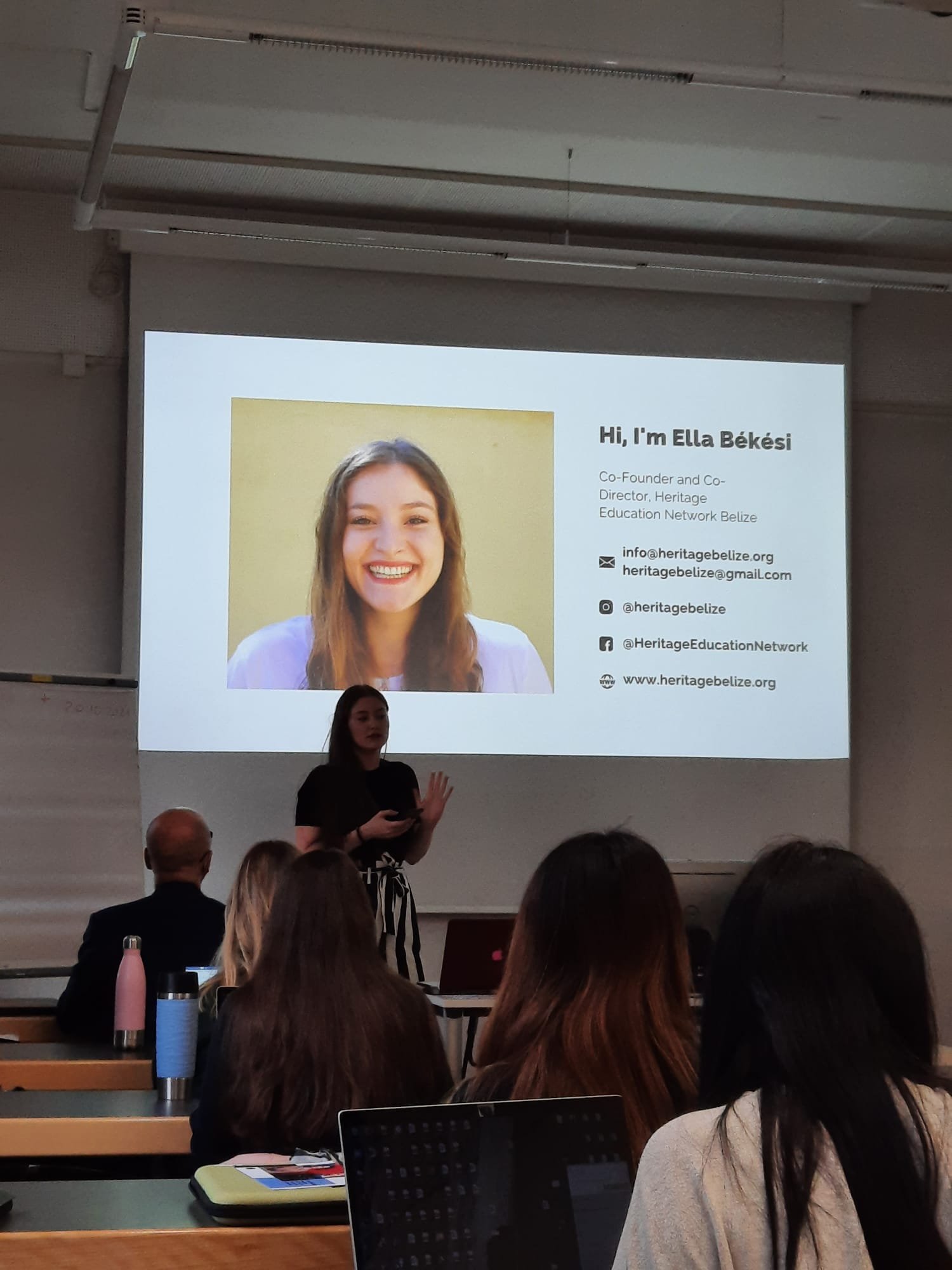
We are extremely happy to announce that our co-director, Ella Békési has been selected to be part of the European Heritage Youth Ambassadors team for 2022. Follow our director on her Instagram @craboo.creative to learn more about European Culture!
Heritage Education Network Belize has received a grant to be part of the Republic of China (Taiwan) Economic Empowerment Project to enhance the economic empowerment of women in Latin America and the Caribbean in the COVID-19 Post-Pandemic era! We will create a 2-week virtual training on culture, marketing, and digital literacy for women’s groups, cooperatives, and MSMEs in the cultural and creative industries.
HENB has set out to transform the way we publish content to bring you information in multiple languages! Learn more!
Our co-director, Ella Békési has been invited to be a visiting researcher at Università della Svizzera italiana (USI) in Switzerland and represent Heritage Education Network Belize. USI is the UNESCO Chair in Information Communication Technologies to develop and promote sustainable tourism in World Heritage Sites.
HENB co-director, Rebecca Friedel Juan, will be presenting at the 2021 Royal Anthropological Institute's Anthropology and Conservation conference on October 26, 2021. She will join a panel of scholars and experts for a roundtable entitled "Changes in Access to the Environment and Maya Identity: Collaborative Approaches to Conserving Cultural Landscapes on the Belize/Guatemala border".
"When Social Media meets Art and Culture" will be a presentation based on the U Chan Muul Yaax K'aax Maya Museum from the genesis to its developing stages, reaching out to the youth and elders. It will focus on how social media meets art and culture can transmit inspiration, hope, oral tradition and become a role model.
Since prehispanic times, Belize's many rivers have been traffic arteries that structure the territory. Through the use of traditional indigenous boats, rivers connect coastal sites to those inland. I would like to introduce you to these two means of transport, emblematic of river navigation, the dory and the pitpan.
First, I would like to talk about the birth of the Maya Writing Club and my personal journey in reaching an understanding of how this ancient Maya writing system works. As a Club we set several goals every year with the prime objective of going out to educate and share what we have learnt.
My study argues that an exploration of Indigenous mathematics, ways of knowing, doing, and being through culture-based practices of Maya Elders, can enact and create a more enlivening and empowering mathematics curriculum. I use the term weaving as a metaphor to conceptualize mathematics as a fabric of interlaced concepts.


An Interview with Mr. Stanley Peck about Ximb’al Ich Nukche’/A Walk in the Jungle/Una Caminata por la Selva